
Leading by Listeningː Gerald Cirilo Reyes Rethinks His Approach to Leadership
- Gerald Cirilo Reyes is a planning and project officer at an international organization.
- He participated in the FY2025 Mid-Career Course Program for Global Human Resource Development for Peacebuilding and Development, commissioned by the Ministry of Foreign Affairs of Japan.
- During his participation in the Course, he was serving as the head of the Resource Mobilization and Partnership Unit at the World Health Organization (WHO) Syria country office. He has taken up a new assignment working as a Planning and Project Officer, heading the Planning, Programme & Budget Implementation unit at Comprehensive Nuclear-Test-Ban Treaty Organization (CTBTO).
- Through the Course, Gerald strengthened his leadership approach by learning alongside professionals from diverse humanitarian positions. The experience expanded his views on collaboration, crises leadership and the importance of connecting humanitarian response with long-term development.
- The Program is implemented by Hiroshima University in collaboration with the United Nations Institute for Training and Research (UNITAR).
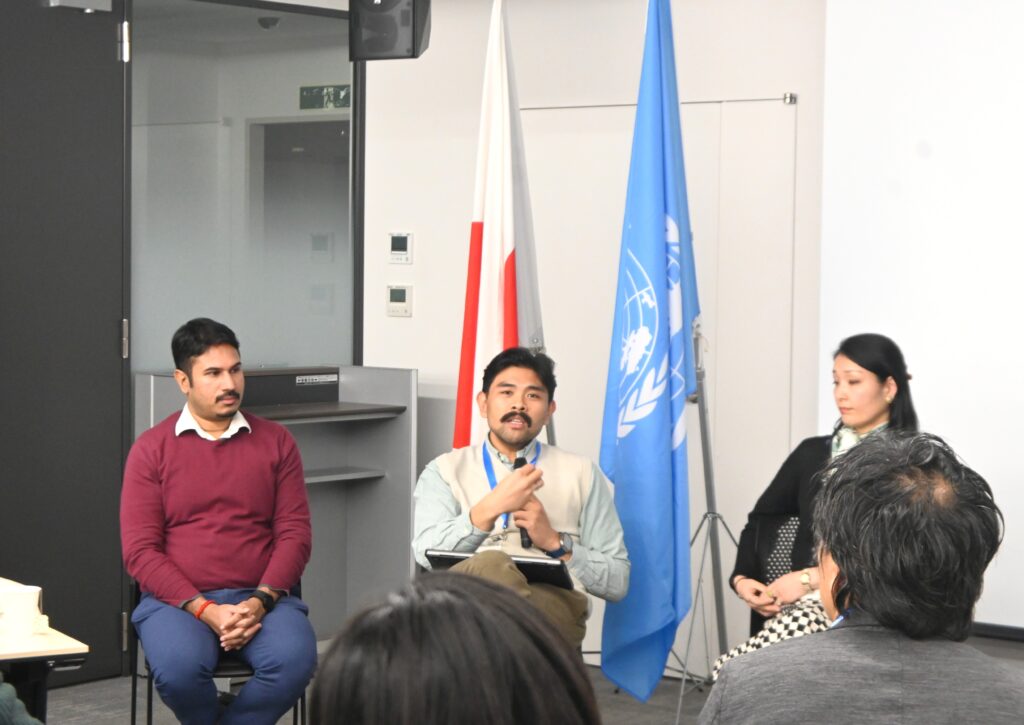
18 August 2026, Hiroshima, Japan – For 15 years, Gerald Cirilo Reyes has worked across humanitarian and development settings within the United Nations system. When Gerald was leading the Resource Mobilization and Partnership Unit at the World Health Organization (WHO) in Syria, he joined the FY2025 Mid-Career Course of the Program for Global Human Resource Development for Peacebuilding and Development to pause and take stock on what he has learned and what he still needs to learn to become a better leader.
Bridging Two Worlds, Building One Purpose
Growing up in the Philippines and Austria, Gerald witnessed first-hand the striking differences in the conditions that people live in. It shaped the way he viewed inequality and inspired him to pursue a career where he could contribute to improving people’s lives.
I wanted a career where I, as an individual, could make an impact.”
Gerald believes that meaningful change begins by putting people first, and the years working in both emergency and development settings has reinforced that conviction. Whether responding to immediate humanitarian needs or supporting longer-term development efforts, he sees that sustainable progress begins with understanding people’s needs and placing them at the centre of every decision.
Stepping Back to Move Forward
Having already built extensive experience across different countries and humanitarian environments, Gerald came to the Mid-Career Course seeking an opportunity to pause, reassess and challenge the beliefs he had developed throughout his career.
I wanted to take stock of what I’ve learned, what I need to learn, and how I learn from others.”
The Program for Global Human Resource Development for Peacebuilding and Development was set up by the Ministry of Foreign Affairs of Japan to strengthen the capacity of peacebuilding and development professionals. Since FY2024, it has been delivered by Hiroshima University in close cooperation with United Nations Institute for Training and Research (UNITAR). Gerald joined the FY2025 Mid-Career Course, which focused on leaders aspiring to management positions. The Course combined online pre-training in December 2025 with in-person training over 7-13 January 2026 at Hiroshima University. Eight participants from Japan and one each from Austria, Cameroon, France, Guatemala, India, Indonesia, Morocco, Nepal and Pakistan took part.
The experience, Gerald says, provided a valuable space for self-reflection and meaningful exchanges with a diverse group of colleagues. It gave him fresh perspectives on how colleagues across different organizations and technical fields approached similar challenges in their careers.
Learning alongside professionals in health, nutrition, livelihoods and protection also challenged him to look beyond the limits of his own field and see humanitarian challenges as deeply interconnected – an understanding that was reinforced through a moving visit to the Hiroshima Peace Memorial Park and Museum. Rather than viewing humanitarian response and development as separate tracks, Gerald came away with a deeper appreciation for how immediate assistance must be linked with long-term planning, capacity-building and stronger national systems.
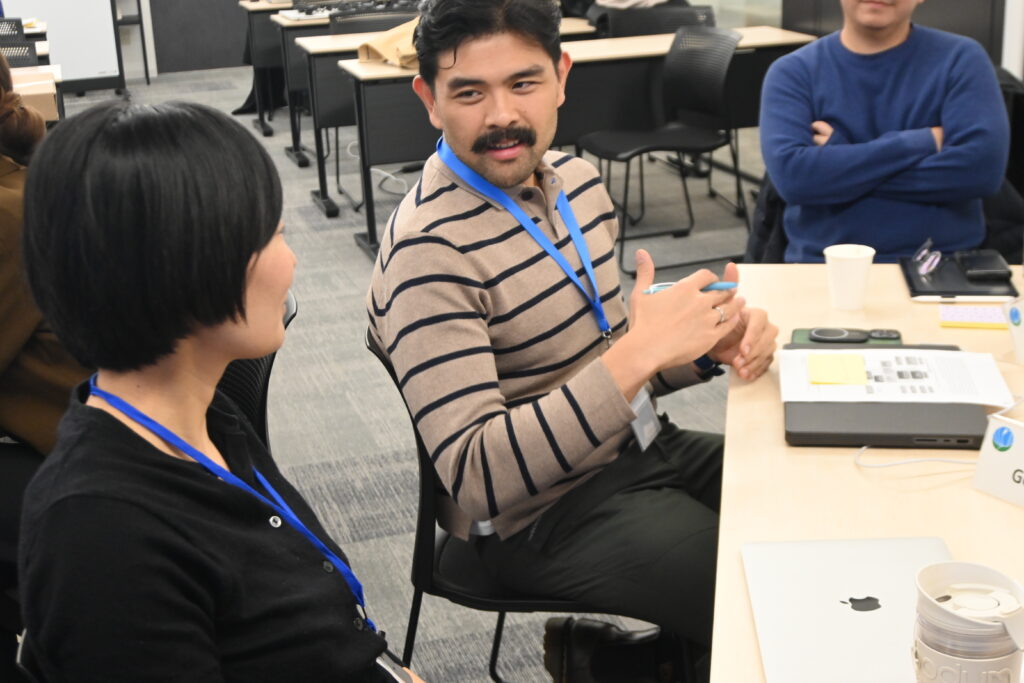
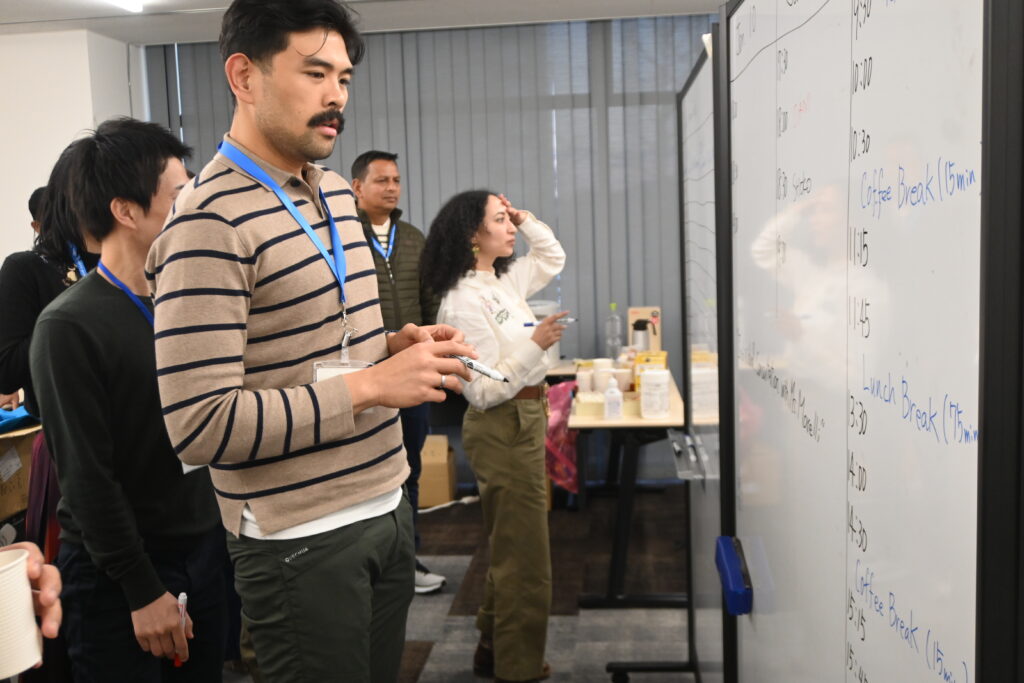
Learning That Leadership Begins with Listening
The Course prompted Gerald to rethink his approach to leadership. Despite years of managing teams across different regions, he recognizes that experience alone does not guarantee effective leadership. Instead, successful leadership requires humility, openness and continuous learning.
I always have to take a step back, be open, and really be an active listener.”
The Course encouraged Gerald to embrace leadership as a process of self-awareness and continuous personal growth. One idea that strongly resonated with him was that every leader should develop an authentic style rather than trying to imitate others. Gerald now believes that becoming comfortable with his own style and values will help him become a better leader for the future.
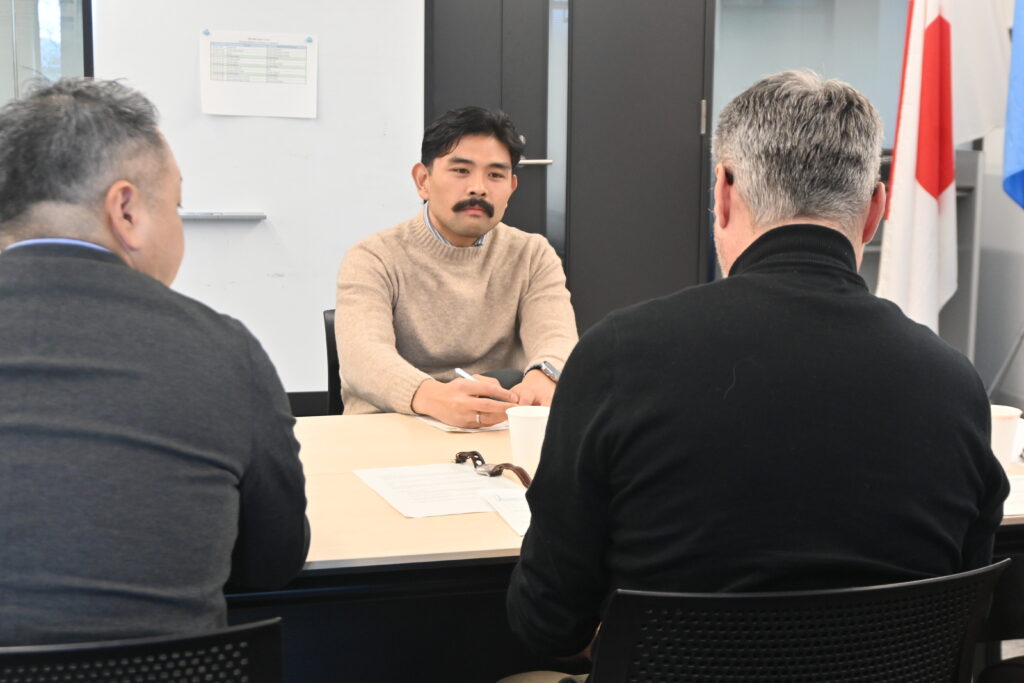
Looking Towards Strategic Leadership
Looking ahead, Gerald hopes to transition into strategic decision-making roles where he can help shape strategies and influence policies that strengthen humanitarian and development efforts. Since completing the Course, Gerald has taken up a new position as the head of the Planning, Programme & Budget Implementation Unit at the Comprehensive Nuclear-Test-Ban Treaty Organization (CTBTO). He sees it as an opportunity to apply his 15 years’ worth of knowledge and experience beyond operational work and into a broader level of strategic leadership.
“The Mid-Career Course came at a pivotal moment in my career. The course helped me step back from day-to-day operational pressures, reassess how I lead, and better understand the value of listening, collaboration and connecting humanitarian action with longer-term development.”
The leadership tools and reflective systems he learned in the Course are already beginning to shape how he approaches challenges. Instead of relying only on familiar solutions, he now makes a deliberate effort to step back, consider different perspectives and remain open to new ways of thinking.
Gerald encourages future Course participants to approach the experience with curiosity and humility. Arriving with an open mind, he believes, will allow participants to recognize that even long-held assumptions and approaches developed over the course of a career can be challenged and improved. For Gerald, meaningful impact begins with the courage to question, learn and grow.
About the Human Resource Development Program by the Ministry of Foreign Affairs Japan
In response to then Foreign Minister Taro Aso’s policy speech, “Let Us Create a ‘Terakoya’ for Peacebuilders,” the Ministry of Foreign Affairs of Japan has implemented a human resource development program in the field of peacebuilding since 2007.
In fiscal year 2015, the program was renewed and expanded to provide comprehensive support for identifying, developing, and fostering the careers of professionals in international organizations, and was relaunched as the Program for Global Human Resource Development for Peacebuilding and Development.
Since fiscal year 2024, Hiroshima University has been commissioned by the Ministry of Foreign Affairs of Japan to implement and manage the program in cooperation with UNITAR.
Ministry of Foreign Affairs of Japan: https://www.mofa.go.jp/fp/ipc/pagewe_000001_00215.html
Global Peace and Development Career Network: https://gpad.hiroshima-u.ac.jp/en/
About Hiroshima University
Hiroshima University was founded in 1949 in Hiroshima City, the site of the first atomic bombing in human history. Guided by its Charter, Hiroshima University is committed to respecting the human rights and individuality of each person and to fostering human resources that will contribute to the realization of a free, peaceful and sustainable society. It also aims to be a university which is open to and trusted by society, thereby contributing to the local and international community. Furthermore, Hiroshima University will lead the world in providing cutting-edge solutions to global issues. In this way, we aim to nurture educated and internationally-minded individuals who are committed to addressing the challenges and pursuit of peace.
About UNITAR
Established in 1965, the United Nations Institute for Training and Research (UNITAR) is the dedicated training arm of the United Nations. Its mission is to strengthen knowledge and skills through high-quality training, research and innovative learning solutions.
Through strategic partnerships and a global learning platform, UNITAR builds skills of individuals, and enhances capacities of institutions and organizations, particularly those in vulnerable contexts, to accelerate progress towards the 2030 Agenda for Sustainable Development and the Pact for the Future.