

Now Open for Applications: FY 2026 Primary Course for International Applicants
The “Primary Course” seeks individuals with a strong determination to pursue careers in international organizations working in the fields of peacebuilding and development.
Deadline: July 1, 2026, 9:00 p.m. (Japan Standard Time)
For the FY2006 Primary Course Application Guidelines, click the link below
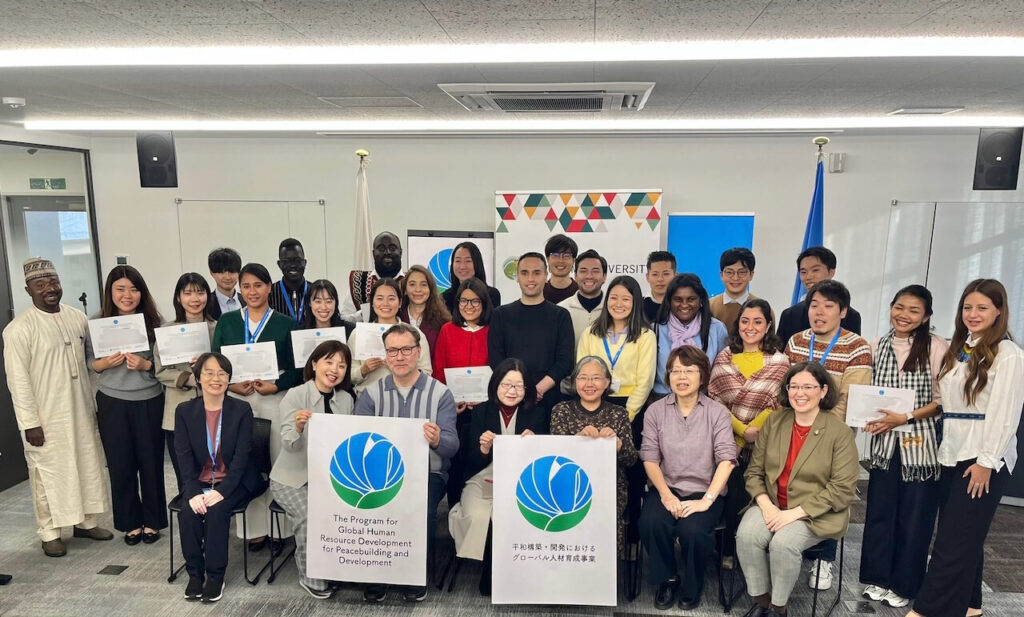
The Program for Global Human Resource Development for Peacebuilding and Development was established by the Ministry of Foreign Affairs of Japan (MOFA) in order to strengthen the capacity of individuals working for peacebuilding and development. The Primary Course is designed to prepare early career professionals in peacebuilding, international development and related fields to work with a high level of competence, agility and skills. Since FY2024, the course has been delivered by Hiroshima University, in close cooperation with the United Nations Institute for Training and Research (UNITAR) and the United Nations Volunteer programme (UNV). In principle, the training is designed for individuals who are between the ages of 27 and 39 as of April 1, 2026; have at least 3 years of work experience in the fields of peacebuilding and/or international development and who are nationals of the eligible countries (please see below).
FY2026
Who is eligible?
Every year, the Ministry of Foreign Affairs of Japan decides which countries will be invited to participate. For the FY2026 cycle, nationals from the following countries are invited to apply.
- The Republic of Angola
- Burkina Faso
- The Republic of Colombia
- The Republic of Haiti
- Lao People’s Democratic Republic
- State of Libya
- The Republic of Palau
- State of Qatar
- Democratic Socialist Republic of Sri Lanka
- Ukraine
01. Japan Training Component
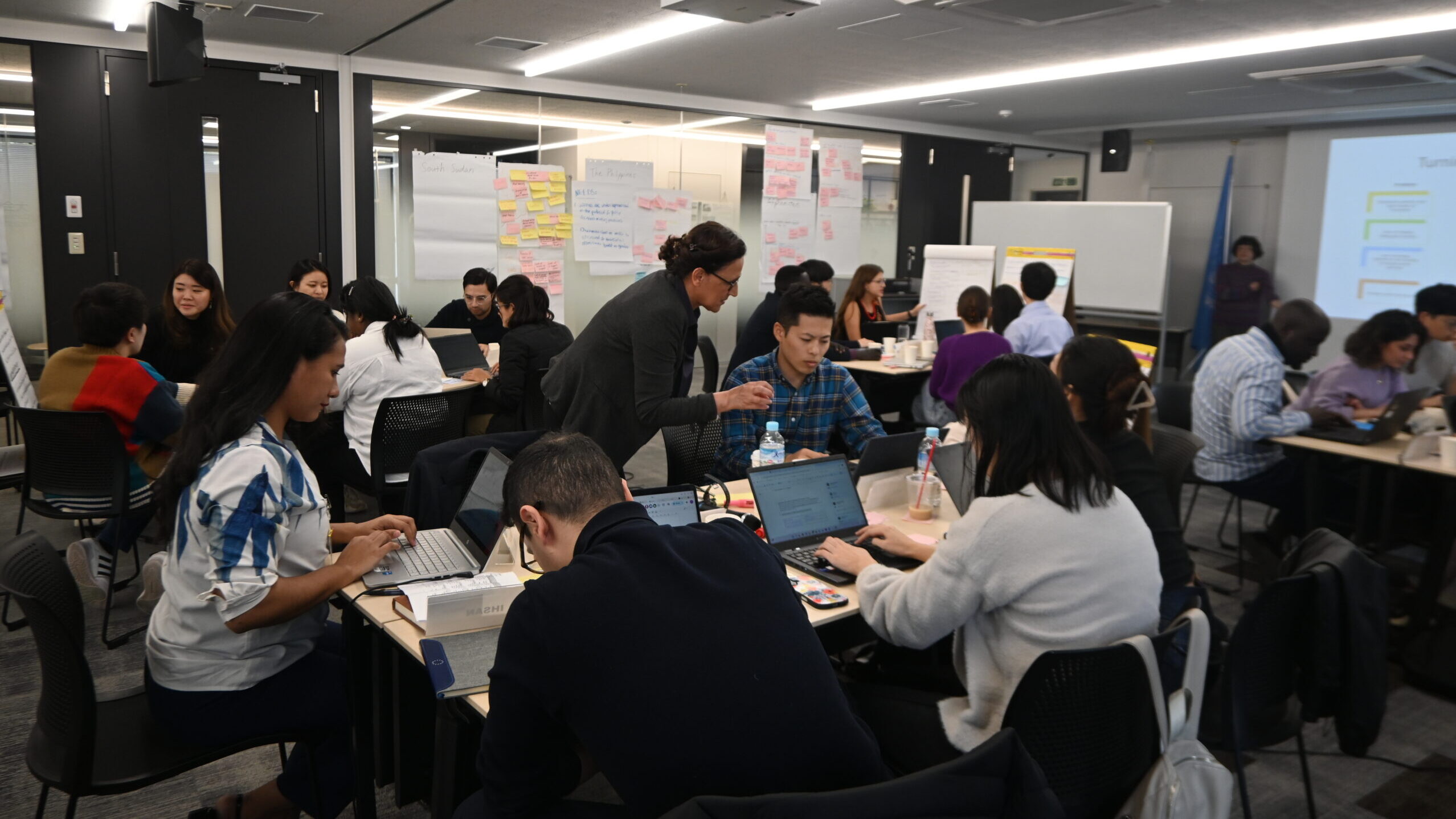
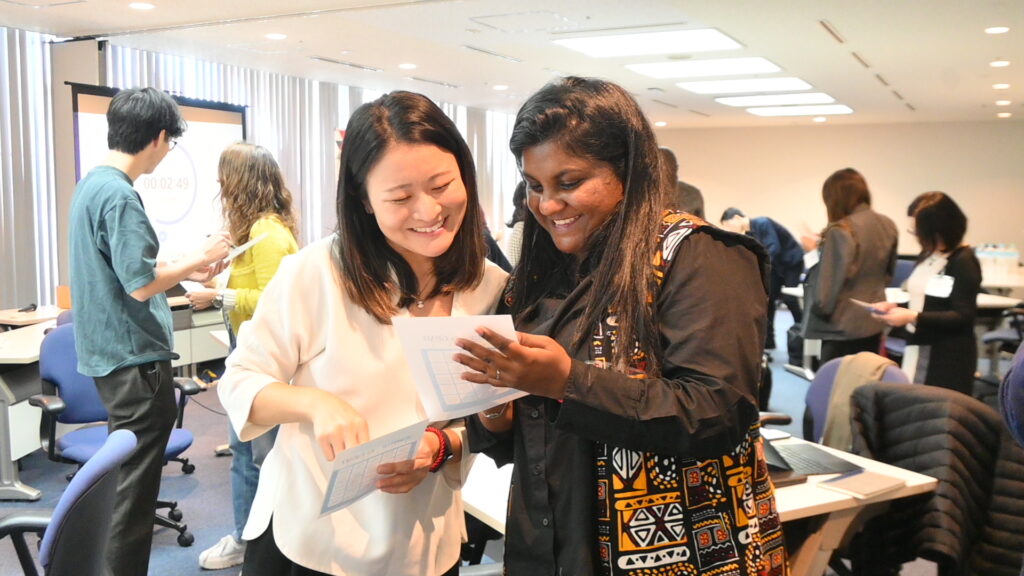
This is a 4-week course on practical skills needed to work in peacebuilding and development, as well as career planning and preparation. All lectures are conducted in English. Instructors are current or former staff members of international organizations, as well as experts in the fields of peacebuilding and development from Hiroshima University and other institutions.
Content of Japan Training Component
such as the guiding principles of the United Nations: multilateral approaches to preventing and addressing conflicts; economic, social and environmental frameworks such as the SDGs and international conventions; and emerging issues, such as the impact of new technologies and social media on peace and development activities.
such as program planning and project management skills, including theory of change, gender mainstreaming, and monitoring and evaluation, and soft skills such as communication and negotiation.
such as UN competencies, values and behaviors; career planning; interview preparation and mental health and well-being.
including lectures from experts on the recovery of Hiroshima’s citizens after the atomic bomb destroyed the city and their message of peace to the world.