“The experience strengthened my knowledge, expanded my global perspective, and reinforced my commitment to advancing gender-centred and human-rights–based approaches in peace and development work.”
FY 2025 Program Associates—Primary Course
Japan Training Component
This is a 4-week course on practical skills needed to work in peacebuilding and development, as well as career planning and preparation. All lectures are conducted in English. Instructors are current or former staff members of international organizations, as well as experts in the fields of peacebuilding and development from Hiroshima University and other institutions.
such as the guiding principles of the United Nations: multilateral approaches to preventing and addressing conflicts; economic, social and environmental frameworks such as the SDGs and international conventions; and emerging issues, such as the impact of new technologies and social media on peace and development activities.
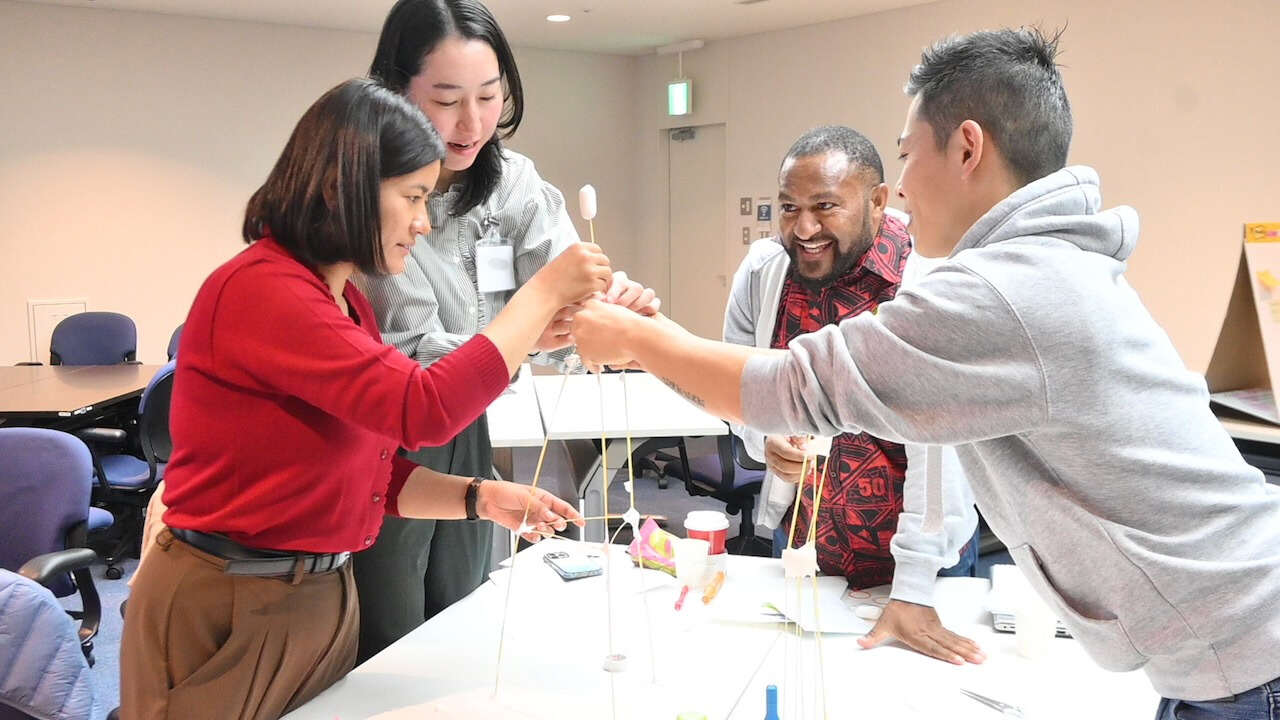
such as program planning and project management skills, including theory of change, gender mainstreaming, and monitoring and evaluation, and soft skills such as communication and negotiation.
such as UN competencies, values and behaviors; career planning; interview preparation and mental health and well-being.
including lectures from experts on the recovery of Hiroshima’s citizens after the atomic bomb destroyed the city and their message of peace to the world.
Who is eligible?
Every year, the Ministry of Foreign Affairs of Japan decides which countries will be invited to participate. In principle, the training is designed for individuals who already have some work experience in the fields of peacebuilding and/or international development and who demonstrate a strong will to develop their career in these fields.
Highlights from the FY2025 Primary Course
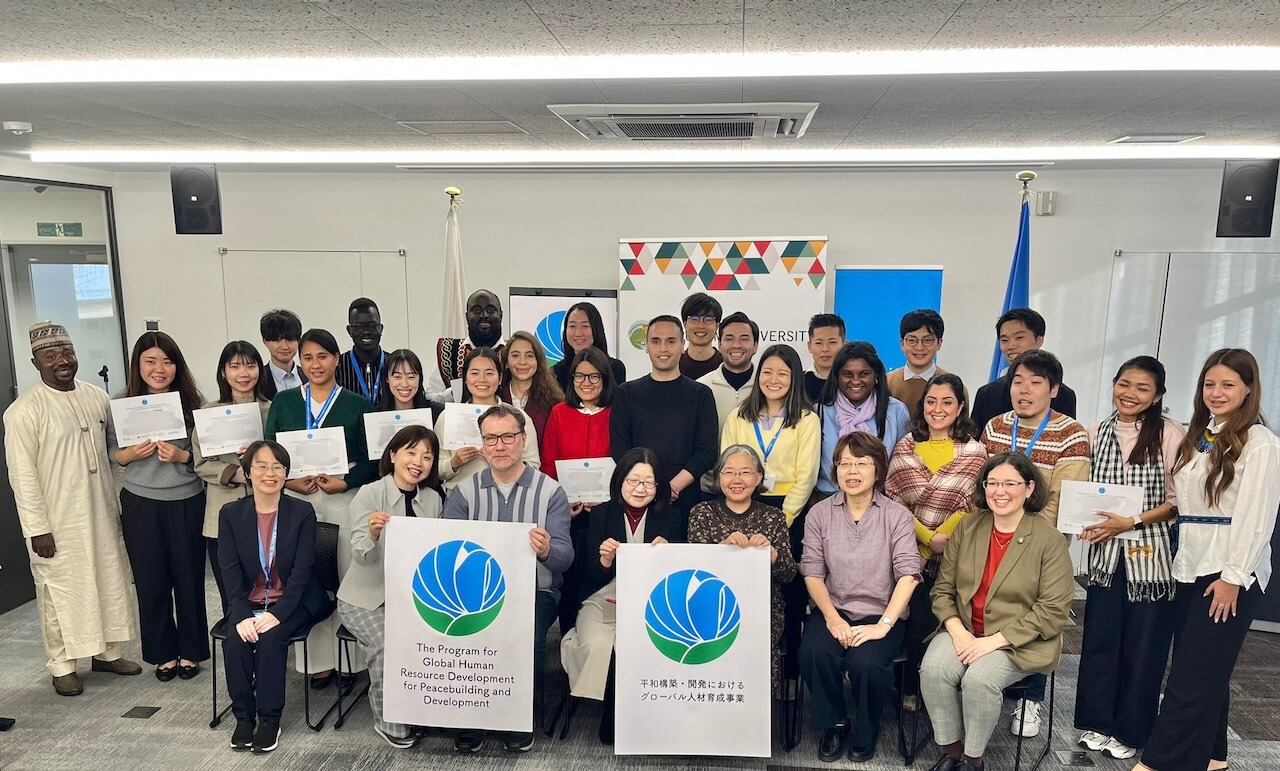
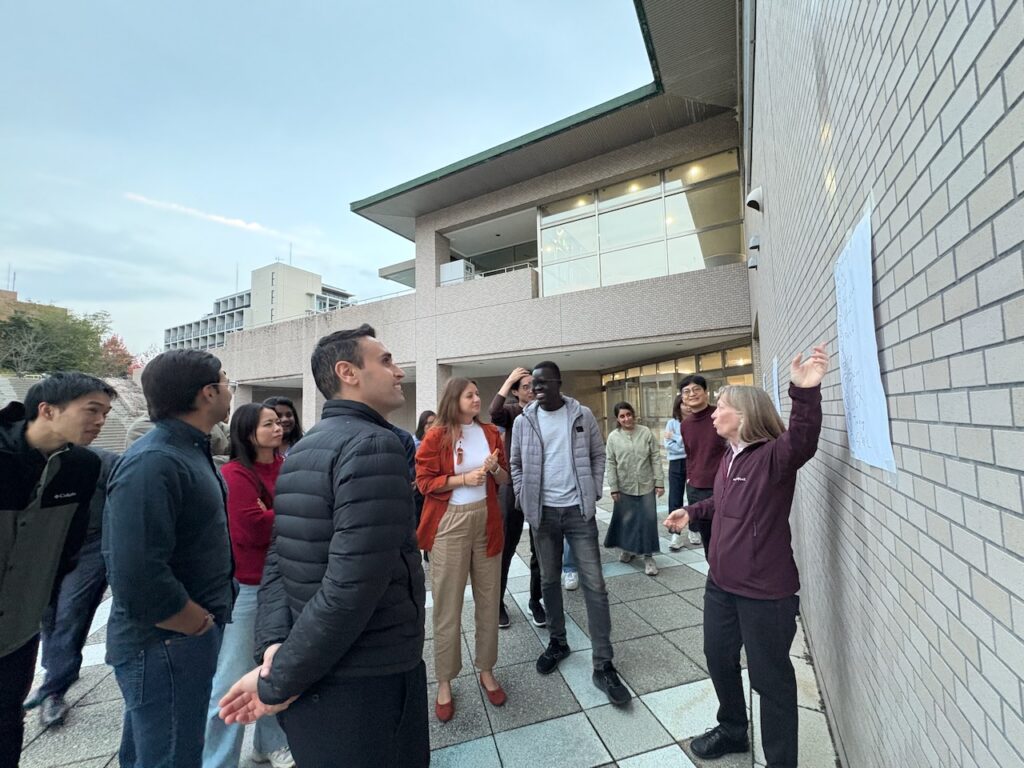
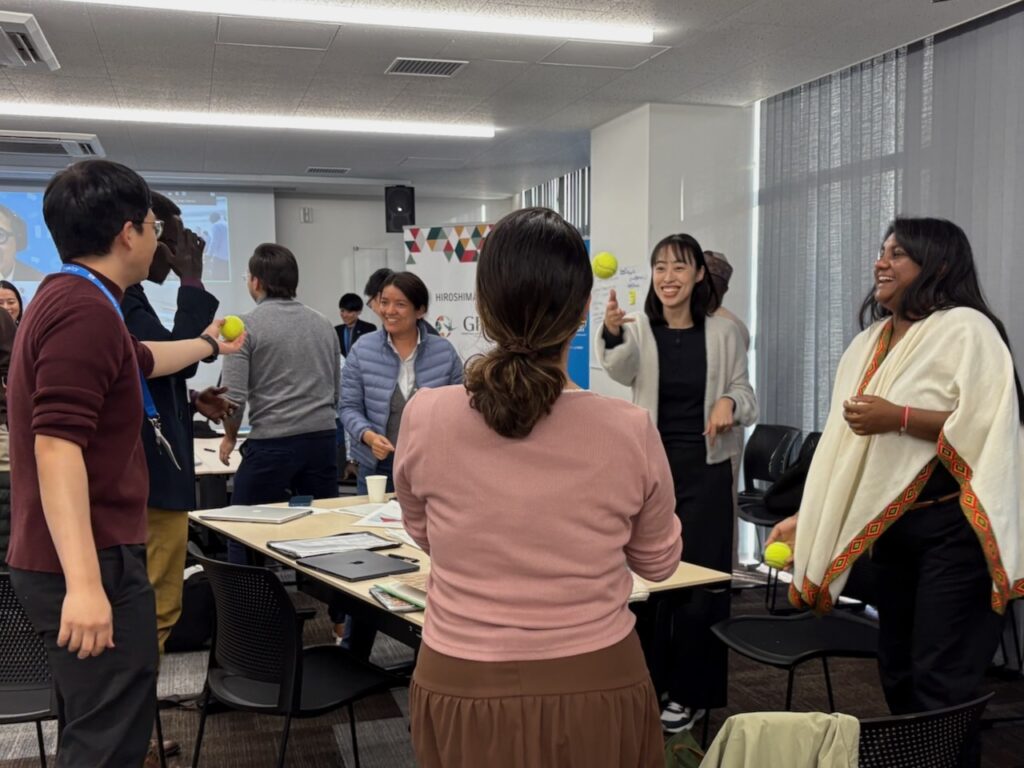
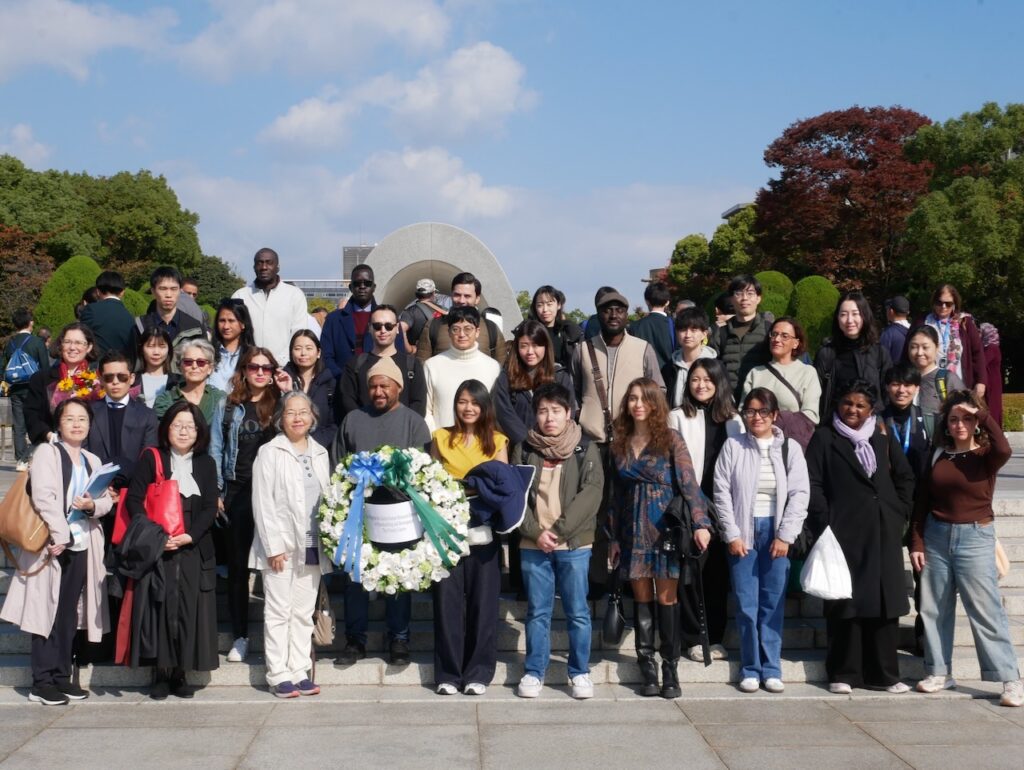
For the FY2025 (Reiwa 7) Primary Course (October 12 – November 30, 2025), 12 participants from Japan and 12 participants from Cambodia, East Timor, Nepal, Papua New Guinea, Guatemala, Ecuador, Armenia, Palestine, Iraq, Cameroon, South Sudan, and African Union Commission (AUC) took part in the course. They came from international organizations, NGOs, government agencies, and the private sector. In addition, a diverse and experienced group of facilitators, including current and former UN and international organization staff, Hiroshima University faculty members, and doctoral students, supported the course.
The course focused on four core themes:
Substantive knowledge about peacebuilding, international development, and international organizations;
Skills to work effectively in international organizations;
Career-building skills; and
Hiroshima’s messages of peace.
The Program Associates also learned about topics related to the “quintet of change,” as outlined in the UN 2.0 Policy Brief, including the use of open-source data and artificial intelligence (AI), as well as basic safety and security in the field.
The highlight of the course was the visit to the Hiroshima Peace Memorial Museum, where the trainees had the rare opportunity to hear Keiko Ogura, an atomic bomb survivor, share her experiences after the atomic bomb exploded above Hiroshima City in 1945.
After completing the Hiroshima Training Component, 12 Japanese trainees will be dispatched overseas as UN Volunteers (UNV) for one year, starting their assignment in various UN agencies and organizations.